
When most people hear the words walking trail, they already know what to expect.
A clearly marked route. A map in hand. A path that begins and ends in the same place, perhaps with a mountain to climb or a scenic viewpoint waiting somewhere along the way. It’s one of the world’s most familiar outdoor activities, built around following a route that somebody else has already created.
Zimbabwe, however, has a habit of doing things differently.
Here, a walking safari trail isn’t simply another activity added to an itinerary, nor is it a longer version of the guided bush walks offered at many safari lodges. Instead, walking becomes the safari itself.
The destination still matters. But everything discovered between the start and finish matters even more.
Perhaps the biggest surprise is that there often isn’t a trail to follow at all. Not one built by people, anyway.
Instead, each day unfolds along ancient elephant paths, seasonal riverbeds and well-worn game trails shaped by generations of wildlife moving through the same landscape. The route changes constantly. Fresh spoor may lead one direction, a breeding herd of elephants another. Even the wind can influence where the day begins.
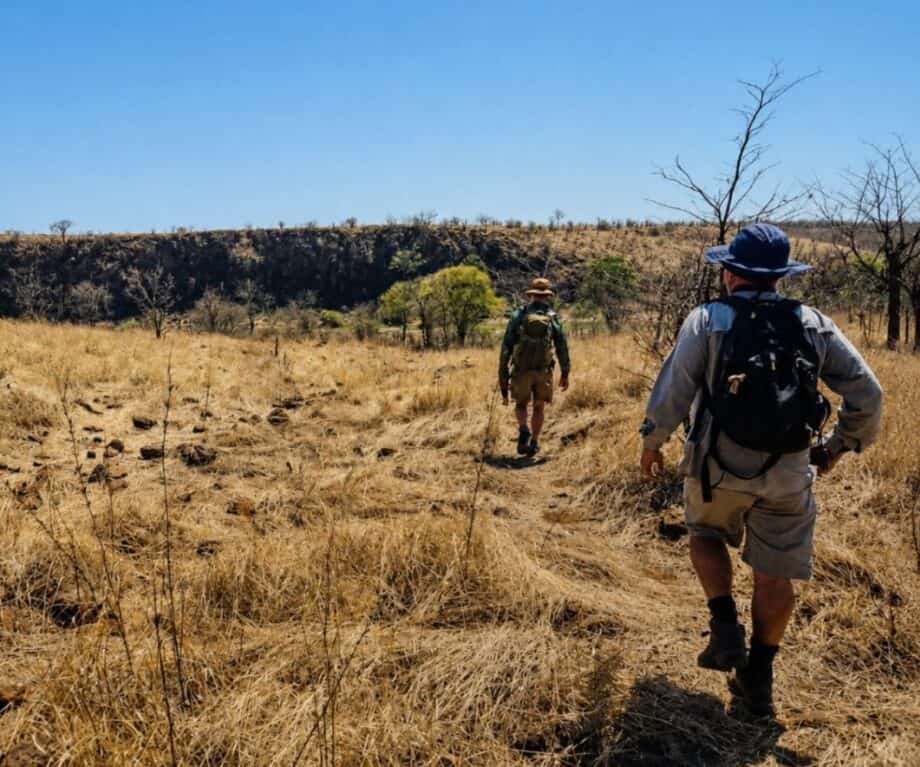
The best trail wasn’t carved into the landscape. It was already there. People just need to learn how to follow it.
Why Zimbabwe?
Walking safaris exist across southern Africa, with neighbouring Zambia widely recognised as the birthplace of the modern walking safari.
Zimbabwe, however, has quietly earned a reputation as one of Africa’s finest places to experience the bush on foot.
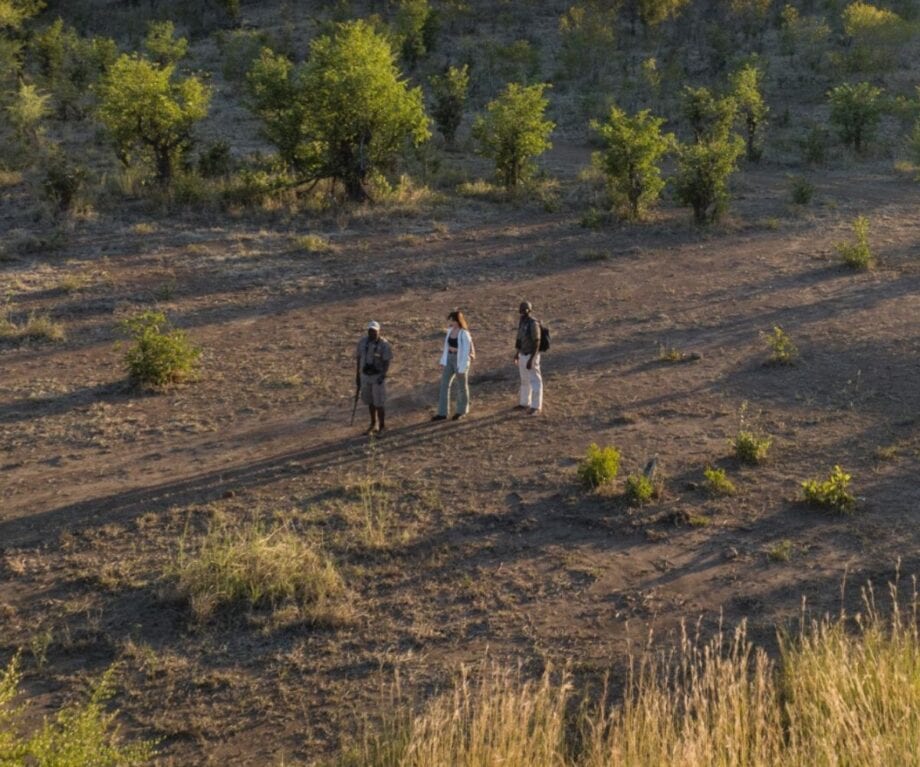
Interestingly, that reputation has very little to do with having more wildlife than anywhere else.
It comes down to the guides.
Zimbabwe’s Professional Guide qualification is widely regarded as one of the most demanding on the continent. Earning that licence can take years, with trainee guides spending thousands of hours studying ecology, bushcraft, animal behaviour, tracking, astronomy and wilderness safety before ever leading guests through country inhabited by dangerous game.
Every guide develops their own fascination with the bush. Some can identify birds from a single alarm call drifting through the trees. Others notice fresh leopard tracks before anyone else has even looked down. Some know every medicinal plant, every hidden spring and every tree for kilometres around.
Reading the bush
Game drives naturally focus on finding wildlife. Walking safari trails focus on understanding it.
The direction of the wind suddenly matters. Alarm calls become conversations instead of background noise. Fresh tracks pressed into the sand become just as exciting as the animal that left them. A broken branch or overturned stone begins telling a story that most people would otherwise walk straight past.
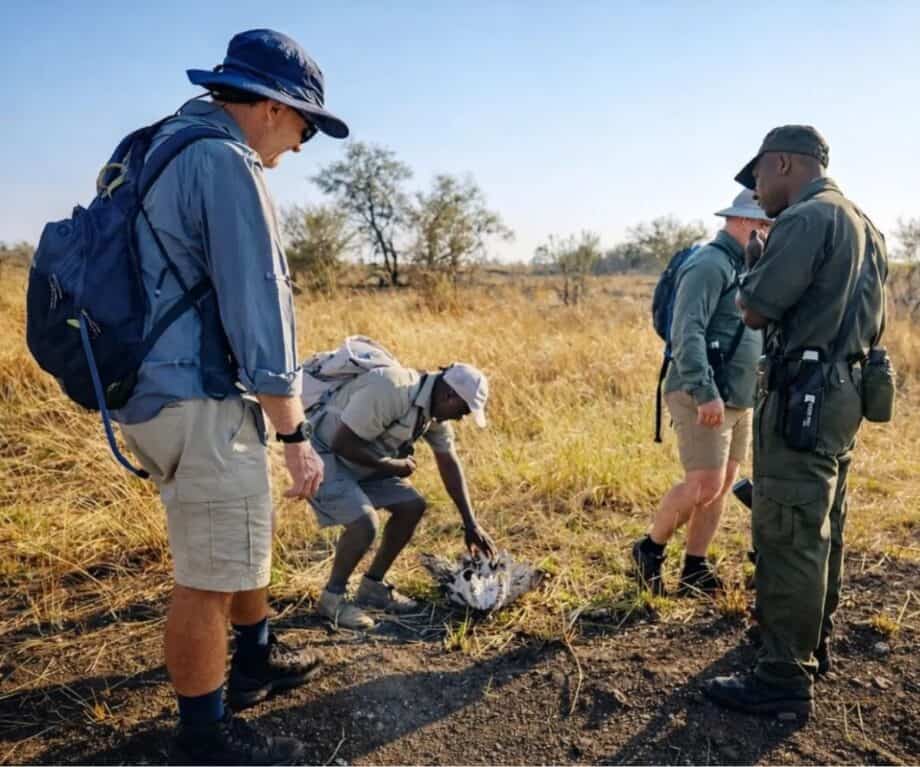
Slowly, the bush changes from something travellers simply look at into something they begin to understand.
It is no longer about reaching the next sighting, but discovering everything that happened before it.
Why Northern Hwange National Park?
Few places showcase this better than northern Hwange National Park.
Unlike the broad Kalahari sands that define much of the park’s southern reaches, northern Hwange is shaped by sandstone hills, natural springs, hidden gorges and the Deka River, creating a landscape that feels almost purpose-built for walking.
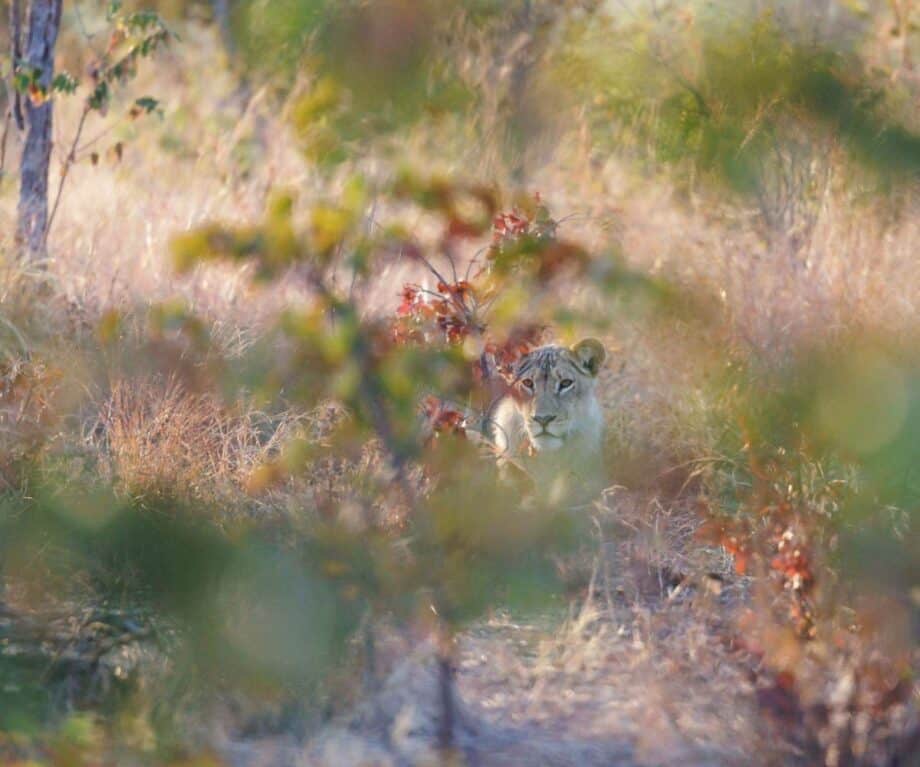
Rather than travelling from one game drive to the next, walkers gradually move through changing habitats, following the Deka River as open woodland gives way to rocky escarpments, permanent springs and ancient game paths that have guided wildlife for generations.
With the possibly to reach historic regions, where the experience extends beyond wildlife alone.
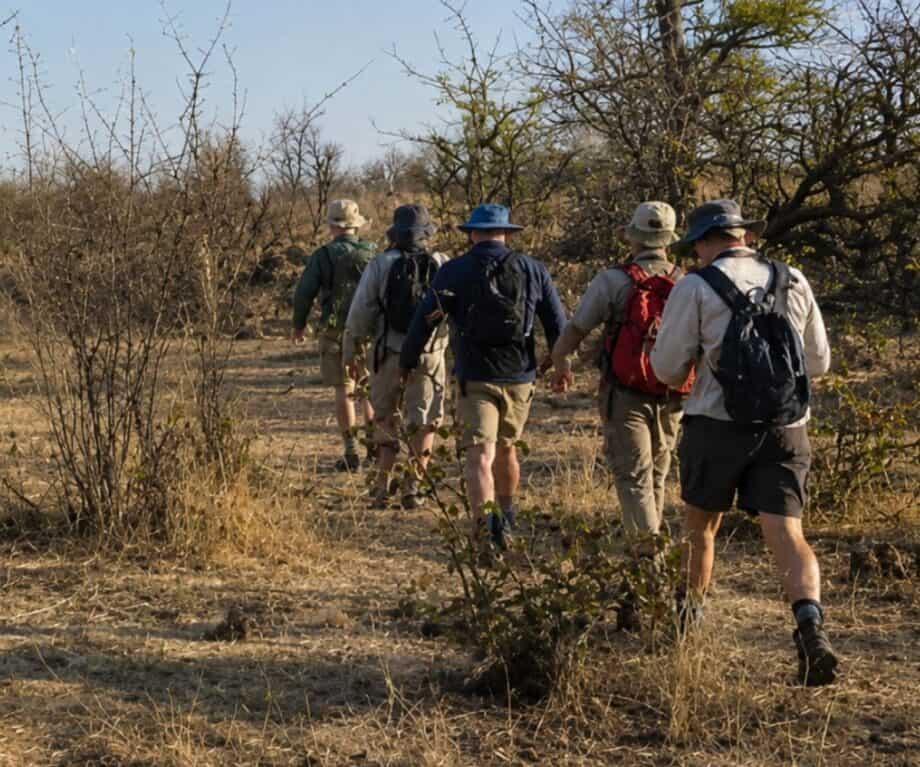
Ancient Nambya settlements, San hunter-gatherer petroglyphs and petrified forests reveal that people have been reading this landscape for thousands of years before modern safari travellers ever arrived.
It becomes one of the few walking experiences where ecology, geology and history naturally become part of the same conversation.
Everything you need to plan your trip in 2026
The role of private concessions
Parts of the northern Hwange’s walking takes place within private concessions, allowing guides the freedom to adapt each day to whatever the bush presents.
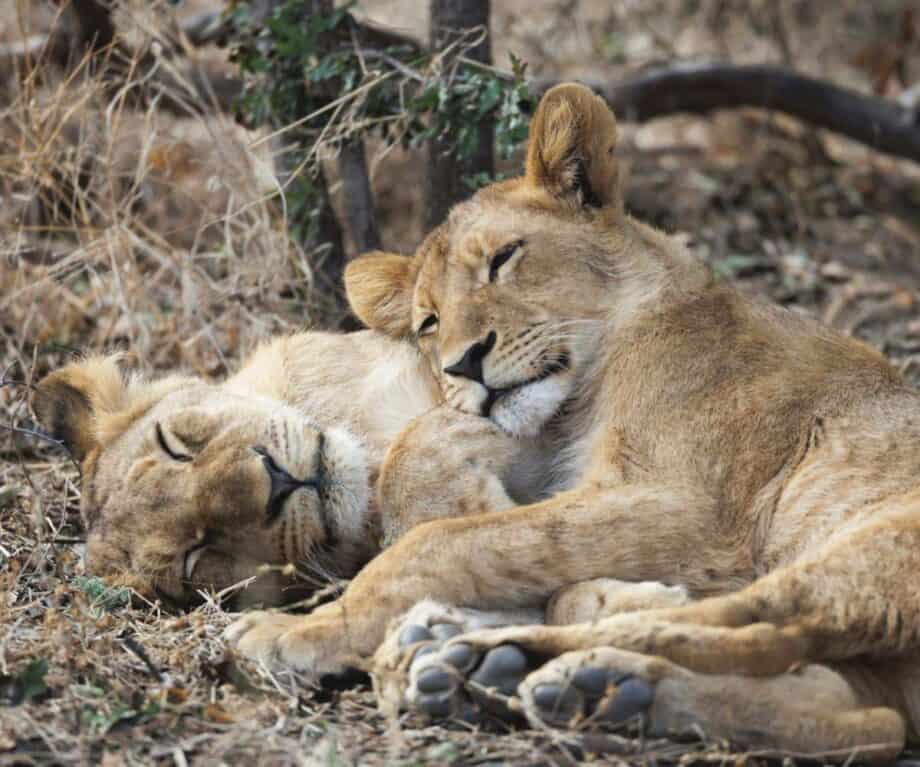
Fresh spoor may lead the group in a completely different direction. A breeding herd of elephants drinking at a spring may encourage a longer stop. There are no queues of safari vehicles waiting at sightings, no pressure to move on and few reminders that anyone else is sharing this same stretch of the wild.
More than a walking safari
Perhaps that’s what makes Zimbabwe’s walking safari trails so distinctive.
They aren’t designed to get travellers from one place to another. They’re designed to change the way people experience the bush.
By the end of the journey, most travellers find themselves looking less for the wildlife and more for the clues it leaves behind. The tracks become as fascinating as the animals. The alarm calls become as memorable as the sightings.
And suddenly, the absence of a clearly marked trail makes perfect sense. After all, the finest walking trails in Zimbabwe were never built, yet they have still been walked for centuries.

Garth Jenman
Garth Jenman is Managing Director of Hideaways Africa. Hideaways Africa crafts unforgettable safari adventures tailored entirely to your personal preferences, allowing you to explore Africa at your own pace. If you would like to be a guest blogger on A Luxury Travel Blog in order to raise your profile, please contact us.
Did you enjoy this article?
Receive similar content direct to your inbox.